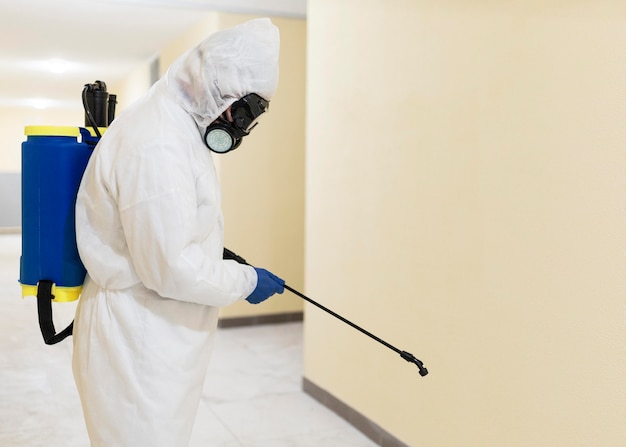
The Ultimate Guide to Comprehensive Pest Control Solutions
Pest infestations can pose significant challenges to both residential and commercial properties. From damaging structures to spreading diseases, pests can be a source of continual frustration if not managed effectively. A comprehensive pest control solution is essential in mitigating these issues and ensuring a safe, healthy environment. This guide delves into the various strategies and methods involved in effective pest control, offering insights into how these solutions can be implemented to achieve long-lasting results.
Understanding Pest Behavior and Ecology
To effectively manage pests, it is crucial to understand their behavior, life cycles, and ecological roles. This knowledge forms the foundation of any pest control strategy, enabling targeted interventions that minimize environmental impact.
Key Factors in Pest Behavior
- Feeding habits: Identifying what pests feed on can help in setting up appropriate traps and baits.
- Nesting sites: Recognizing where pests nest can assist in locating and eliminating breeding grounds.
- Seasonal patterns: Many pests have specific times of the year when they are most active.
Integrated Pest Management (IPM)
Integrated Pest Management (IPM) is a sustainable approach that combines various management strategies and practices to control pests. It emphasizes the use of the least hazardous methods first, thereby reducing risks to human health and the environment.
Components of IPM
- Monitoring: Regular inspections are crucial to identify pest presence and assess damage.
- Prevention: Implementing barriers and removing attractants can deter pest entry.
- Cultural Control: Altering the environment to make it less conducive to pest survival.
- Biological Control: Using natural predators or parasites to control pest populations.
- Chemical Control: As a last resort, using pesticides in a targeted and controlled manner.
Explore further insights here: Learn more in this detailed guide.
Choosing the Right Pest Control Methods
Selecting the appropriate pest control methods is critical in achieving effective and sustainable outcomes. Factors to consider include the type of pest, the severity of the infestation, and the environment in which the control measures will be applied.
Common Pest Control Techniques
- Traps: Effective for controlling rodents and insects without the use of chemicals.
- Baits: Useful for targeting specific pests such as ants and cockroaches.
- Insecticidal Sprays: These require careful application to avoid harm to non-target species.
- Fumigation: Used for severe infestations in enclosed spaces.
Find additional information here: Read more about this topic.
Health and Safety Considerations
Pest control activities should always prioritize health and safety, ensuring that both humans and pets are protected from potential harm. This involves the careful selection and application of pest control products, as well as adhering to safety guidelines and regulations.
Ensuring Safe Practices
- Follow label instructions on all pest control products.
- Use personal protective equipment (PPE) when handling chemicals.
- Ensure proper ventilation in treated areas.
- Keep children and pets away from treated areas until safe.
Read more about safe pest control practices: Explore further insights here.
Conclusion
Comprehensive pest control solutions require a multifaceted approach, combining knowledge of pest behavior with strategic management practices. By adopting Integrated Pest Management and choosing the right control methods, it is possible to effectively manage pest populations while prioritizing health and environmental safety. For those seeking detailed strategies and insights, Find additional information here.